
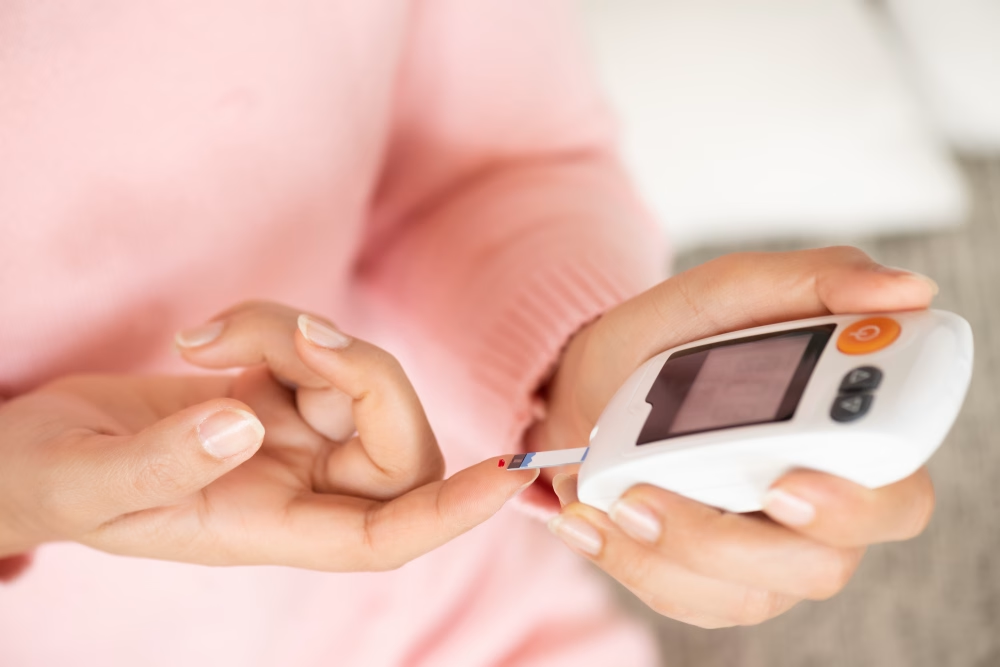
Diabetes Treatment in Sunnyvale, TX
At Primary Medicine of Sunnyvale, we provide diabetes treatment in Sunnyvale, TX to help patients monitor blood sugar, manage symptoms, reduce health risks, and improve long-term wellness. Diabetes can affect energy levels, circulation, nerve health, vision, kidney function, and overall quality of life. Our team works with patients to create personalized care plans that may include diagnostic testing, lifestyle guidance, medication management, routine monitoring, and preventive care.
Request an AppointmentPersonalized Diabetes Care and Monitoring
Diabetes management is an ongoing process that requires consistent care and clear guidance. At Primary Medicine of Sunnyvale, we help patients understand their condition, monitor important health markers, and take practical steps toward better blood sugar control. Whether you have been recently diagnosed or have been managing diabetes for years, our providers are here to support your health.
Routine appointments allow our team to evaluate symptoms, review medications, monitor blood sugar trends, and identify potential complications early. We also help patients understand how nutrition, physical activity, stress, sleep, and daily habits can affect diabetes management.
Common Diabetes Symptoms and Risk Factors
Diabetes symptoms can vary from person to person. Some patients may experience frequent urination, increased thirst, fatigue, blurry vision, slow-healing wounds, numbness or tingling, unexplained weight changes, or recurring infections. Other patients may have elevated blood sugar without obvious symptoms, which makes routine screening especially important.
Risk factors for diabetes may include family history, weight, age, inactivity, high blood pressure, high cholesterol, and certain lifestyle factors. Preventive care and regular primary care visits can help identify these risks early and guide treatment before complications develop.
Long-Term Diabetes Management in Sunnyvale
Managing diabetes is about more than lowering blood sugar. It also involves reducing the risk of heart disease, nerve damage, kidney problems, eye concerns, and other complications. Our providers help patients build realistic care plans that support better daily habits and long-term health outcomes.
At Primary Medicine of Sunnyvale, we provide diabetes care for patients throughout Sunnyvale, TX with a focus on education, prevention, and consistent support. To schedule a diabetes appointment, call (214) 217-0403 or request an appointment online.
Frequently Asked Questions About Diabetes Treatment in Sunnyvale, TX
What are common signs of diabetes?
Common signs may include frequent urination, increased thirst, fatigue, blurry vision, slow-healing wounds, numbness or tingling, and unexplained weight changes.
How is diabetes diagnosed?
Diabetes is typically diagnosed through blood testing that measures blood sugar levels. Your provider may recommend testing based on symptoms, risk factors, or routine screening results.
Can diabetes be managed with lifestyle changes?
Lifestyle changes can play an important role in diabetes management. Nutrition, exercise, weight management, sleep, stress control, and medication when needed may all be part of a treatment plan.
How often should I see a provider for diabetes?
The right follow-up schedule depends on your blood sugar control, medications, symptoms, and overall health. Many patients benefit from regular monitoring throughout the year.
Can diabetes cause other health problems?
Yes. Uncontrolled diabetes may increase the risk of heart disease, nerve damage, kidney problems, eye disease, circulation issues, and slow wound healing.
Is diabetes treatment personalized?
Yes. Diabetes treatment should be tailored to your health history, blood sugar levels, lifestyle, symptoms, medications, and personal wellness goals.
Why is routine monitoring important for diabetes?
Routine monitoring helps track blood sugar control, detect complications early, adjust treatment when needed, and support better long-term health outcomes.
