
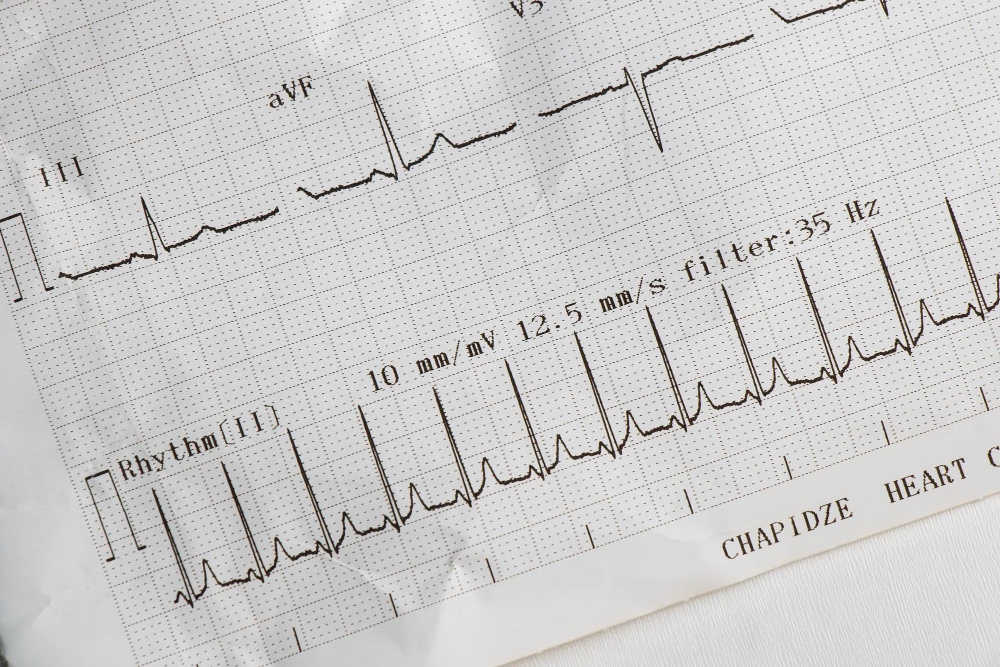
Electrocardiogram (EKG) Testing in Sunnyvale, TX
At Primary Medicine of Sunnyvale, we provide electrocardiogram (EKG) testing in Sunnyvale, TX to help evaluate heart rhythm, detect potential cardiac concerns, and support preventive cardiovascular care. An EKG is a non-invasive diagnostic test that records the electrical activity of the heart and may help identify irregular heart rhythms, signs of heart disease, circulation concerns, and other cardiac-related issues. Our providers use EKG testing as part of comprehensive healthcare evaluations focused on patient safety and long-term wellness.
Request an AppointmentWhat Is an EKG?
An electrocardiogram, commonly called an EKG or ECG, is a diagnostic test that measures the electrical signals produced by the heart. Small sensors are placed on the skin to record heart activity and evaluate heart rhythm, rate, and overall cardiac function.
EKG testing is commonly recommended for patients experiencing symptoms such as chest discomfort, dizziness, irregular heartbeat, palpitations, shortness of breath, fainting episodes, or unexplained fatigue. Providers may also recommend EKG testing during preventive health evaluations or before certain medical procedures.
At Primary Medicine of Sunnyvale, our team performs EKG testing in a comfortable clinical setting while helping patients understand the purpose of the test and next steps for care.
When EKG Testing May Be Recommended
EKG testing may help evaluate potential heart-related concerns and monitor patients with cardiovascular risk factors such as high blood pressure, diabetes, high cholesterol, smoking history, or family history of heart disease. It may also be recommended for patients experiencing symptoms that could indicate heart rhythm abnormalities or circulation problems.
Our providers review symptoms, medical history, medications, and overall health before determining whether EKG testing is appropriate. Depending on results, additional evaluations, monitoring, or referrals may be recommended to support ongoing cardiovascular care.
Preventive Cardiovascular Care in Sunnyvale
Preventive heart care plays an important role in maintaining long-term wellness and identifying concerns early. Routine medical visits and cardiovascular evaluations may help reduce future health risks while supporting overall heart health.
At Primary Medicine of Sunnyvale, we provide EKG testing and preventive healthcare services for patients throughout Sunnyvale, TX. Our goal is to help patients stay informed about their cardiovascular health while receiving compassionate, personalized care in a supportive environment.
Frequently Asked Questions About EKG Testing in Sunnyvale, TX
What does an EKG test check for?
An EKG records the electrical activity of the heart and may help identify irregular heart rhythms, circulation concerns, signs of heart disease, and other cardiac-related issues.
Why might I need an EKG?
Providers may recommend an EKG if you experience symptoms such as chest pain, dizziness, palpitations, fainting, shortness of breath, or irregular heartbeat.
Is EKG testing painful?
No. EKG testing is non-invasive and painless. Sensors are placed on the skin to record electrical activity from the heart.
How long does an EKG take?
Most EKG tests are completed within a few minutes, although appointment times may vary depending on your evaluation and medical concerns.
Can an EKG detect heart problems?
An EKG may help identify certain heart rhythm abnormalities, circulation concerns, and signs of possible heart-related conditions.
Do I need to prepare for an EKG?
Most patients do not require special preparation before an EKG, although your provider may give additional instructions depending on your health history.
Why is preventive heart screening important?
Preventive cardiovascular evaluations may help detect concerns early, support heart health, and reduce the risk of future complications.
